Terjemahan

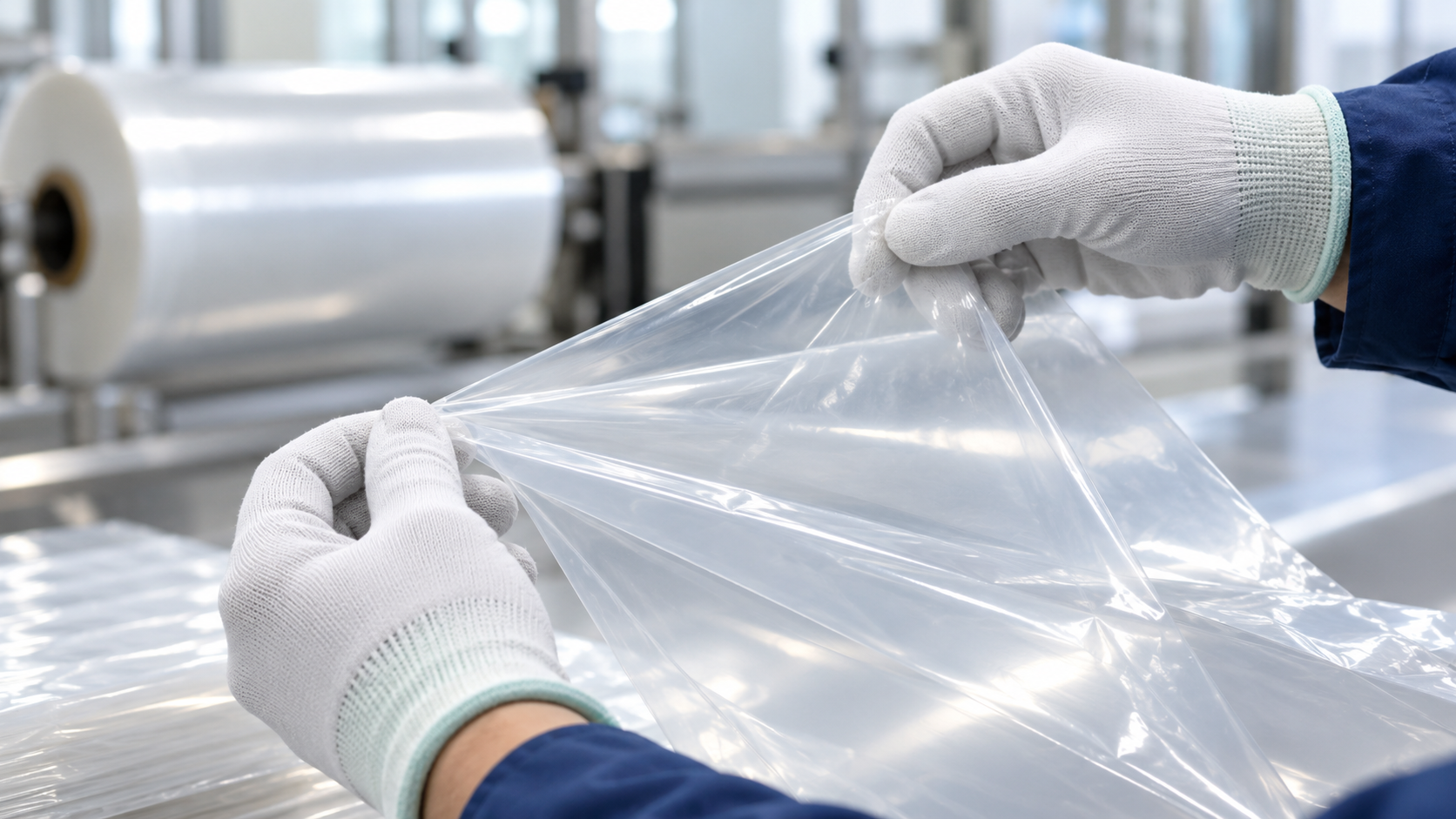
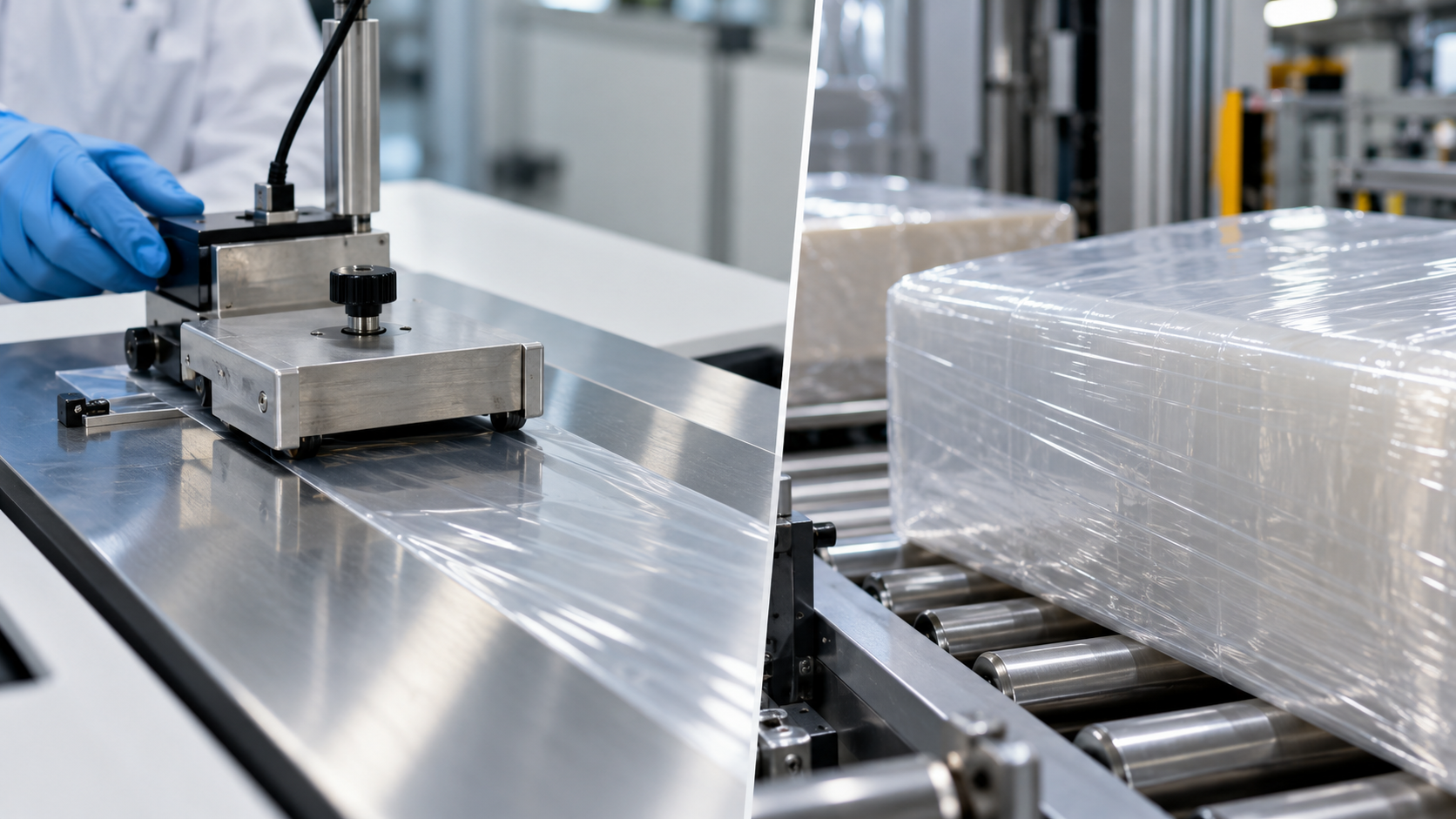
Have you ever handled a plastic bag whose two surfaces seem to cling together and are difficult to separate? In film manufacturing, this condition is known as blocking.
Blocking can slow manual packing, interfere with automatic bag opening, make rolls difficult to unwind, and reduce productivity. One common approach to controlling the problem is the use of an anti-block additive.
What Is Blocking in Plastic Film?
Blocking is the tendency of two film surfaces that remain in contact to adhere to each other during winding, storage, or stacking.
PE film is flexible and can have a relatively smooth surface. When two layers are pressed together, the real contact area can become large. Roll pressure, temperature, storage time, and substances migrating to the surface can increase the tendency for the layers to stick.
Blocking is different from heat sealing. The surfaces have not been permanently heat-bonded, but the adhesion between them becomes strong enough to make separation difficult.
What Does an Anti-Block Additive Do?
Anti-block additives are used to reduce direct contact between adjacent film surfaces.
Many anti-block systems use very fine particles that create microscopic roughness. The film still appears normal to the eye, but at a microscopic level the two layers no longer make perfect surface-to-surface contact.
This reduced contact helps film separate more easily when a roll is unwound or when an operator opens a bag.
Why Does PE Film Block?
1. Excessive Winding Pressure
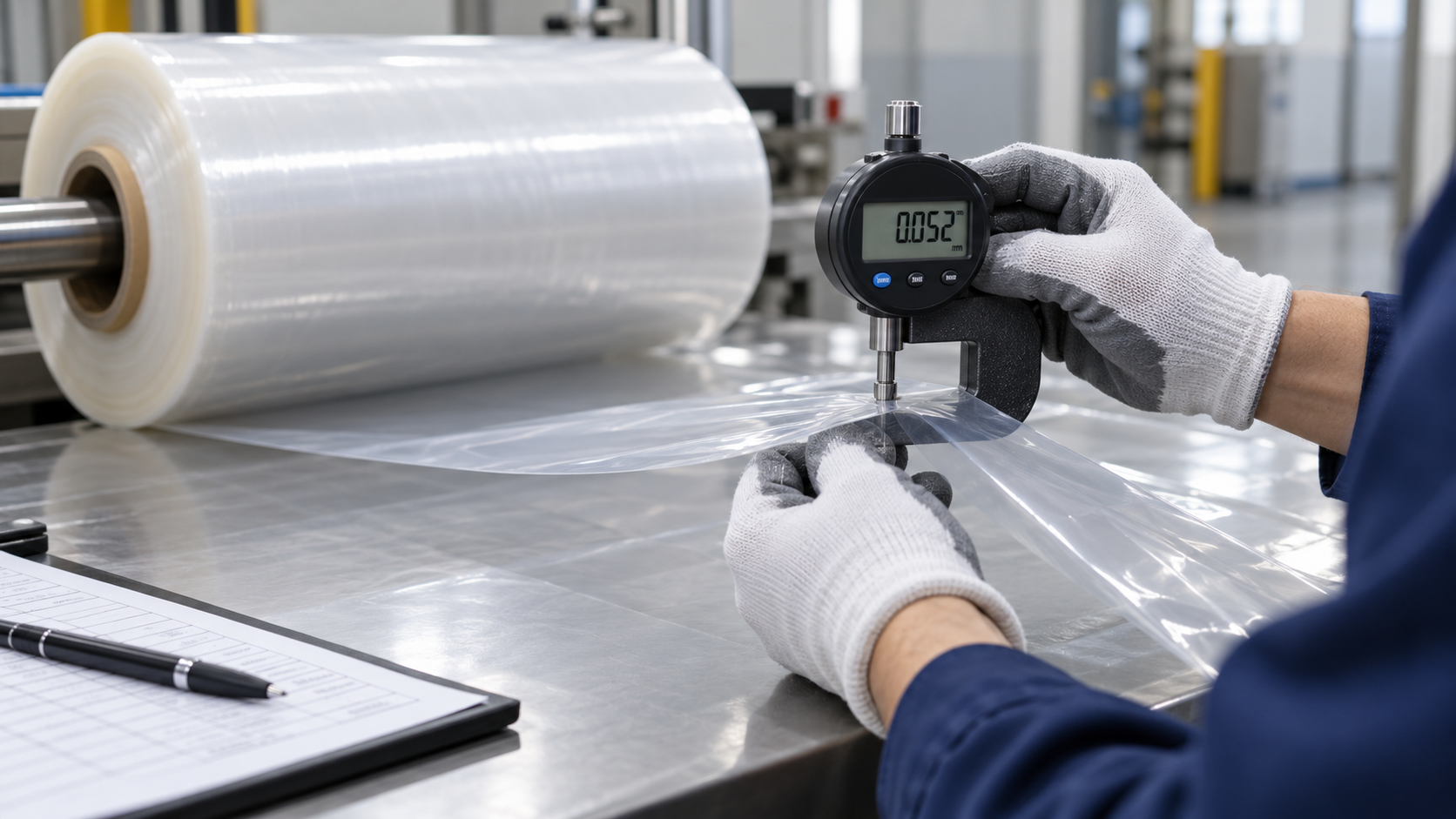
A tightly wound roll increases pressure between layers. If the film remains under this pressure for an extended period, blocking can become more severe.
2. Film Is Still Too Warm
If film is wound or stacked while its temperature remains relatively high, polymer surfaces can interact more strongly. Stable cooling and winding conditions are therefore important.
3. High Storage Temperature
Hot warehouses, direct sunlight, or elevated temperatures inside transport containers can worsen blocking, especially while rolls or bags remain compressed.
4. Resin Formulation and Other Additives
Resin type, processing aids, slip, antistatic additives, and other formulation components can affect surface behavior. A formulation change can therefore make a bag that previously opened easily more difficult to separate.
5. Very Smooth Film Surfaces
Extremely smooth surfaces create a large contact area between film layers. Anti-block particles help introduce microscopic separation and reduce that contact.
Anti-Block vs Slip: What Is the Difference?
The two terms are often used together but they are not the same.
| Feature | Main Function |
|---|---|
| Anti-Block | Helps adjacent stationary film layers separate after remaining in contact |
| Slip | Controls friction while film surfaces move or slide |
A film can have low blocking but still have a relatively high coefficient of friction. Conversely, film may slide easily yet remain difficult to open if blocking has not been adequately controlled.
Is More Anti-Block Always Better?
No.
The additive package must be balanced against optical properties, surface quality, printing, sealing, and the end-use application. Anti-block particles can influence haze or appearance depending on particle type, size, loading, film gauge, and formulation.
For this reason, buyers should describe the operating problem instead of simply requesting the highest possible anti-block level.
When Is Anti-Block Particularly Important?
Anti-block can be relevant for:
- Bags that need to open easily during packing
- Roll film used on automatic converting or packing equipment
- LDPE or LLDPE bags stored in stacks
- Film exposed to relatively warm storage or transport
- Applications where consistent bag opening is important
What Should Buyers Check When Bags Stick?
Collect information before changing the formulation:
- Did the problem exist immediately after production or only after storage?
- How long were the bags or rolls stored?
- What were the warehouse and transport temperatures?
- Did the formulation change?
- Does the issue occur across the entire roll or only certain areas?
- Does the film also feel too grippy when sliding?
These observations help distinguish blocking from COF, static, or winding-related problems.
Related Reading
- What Are Slip and COF in PE Film? Why Film Can Be Too Slippery or Too Grippy
- PE Film Thickness Tolerance: Why Micron Is Not Identical Everywhere
- Product Specification
Conclusion
Anti-block functionality helps prevent adjacent PE film layers from adhering too strongly while they remain in contact. Blocking is influenced by formulation, pressure, temperature, storage time, and surface characteristics.
Anti-block is different from slip: one helps surfaces separate after contact, while the other controls friction during movement.
For industrial applications, PT Dynaplast Mandiri can evaluate anti-block together with PE material, thickness, slip requirements, and converting conditions so the finished film matches the customer's process.